
I’ve been to Norway before. Just… up north. Most people begin in the capital and work their way upwards. I did the opposite. I met the silence first. The edge.
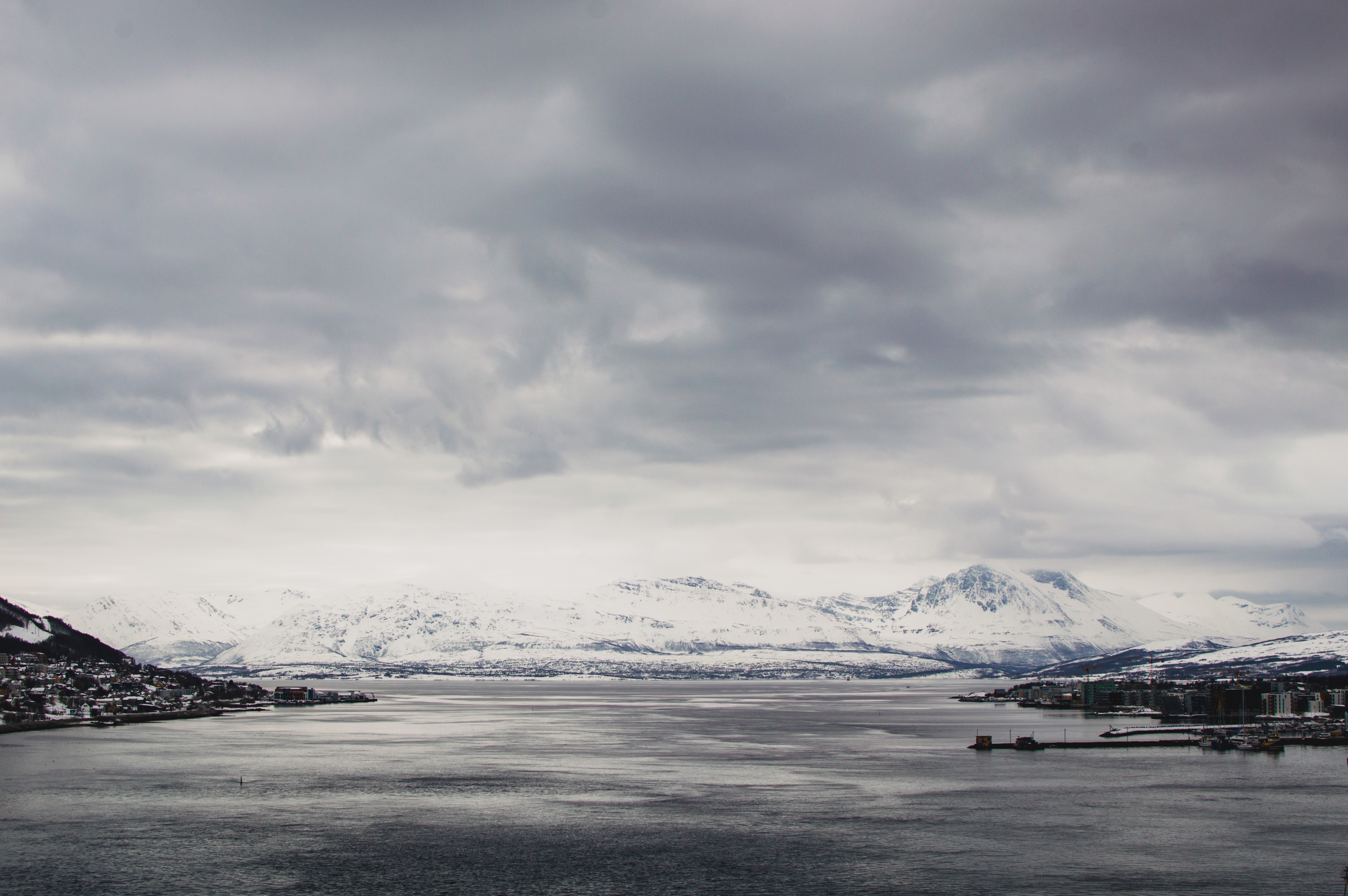
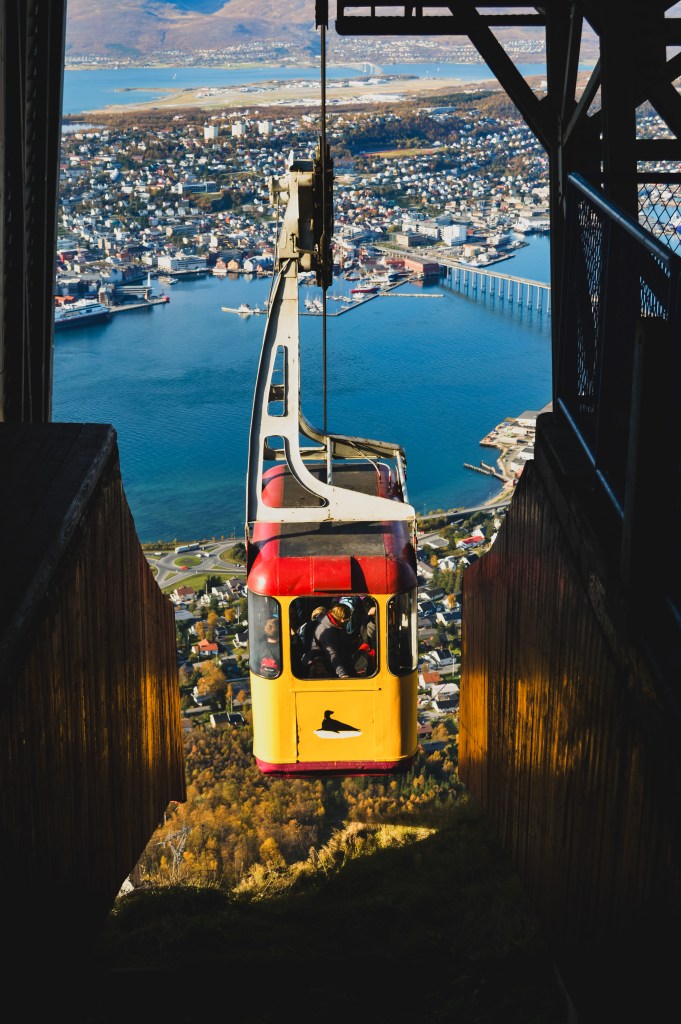
Norway first met me in Tromsø, about 350 kilometres north of the Arctic Circle. I have always loved a high viewpoint (whether a mountain or just a tall building), so naturally the first thing I did was head for the Fjellheisen cable car, which takes you up to Storsteinen, 421 metres above sea level. It did not disappoint.
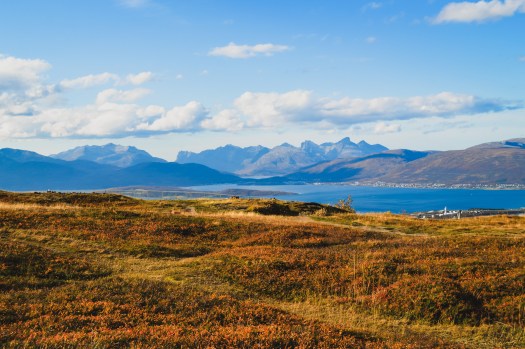
I was first there in autumn, when nature was slowly starting to change colours and prepare for winter. The air on top of the mountain was crisp, but not yet biting.
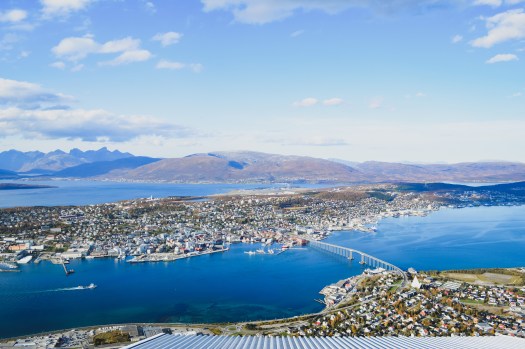
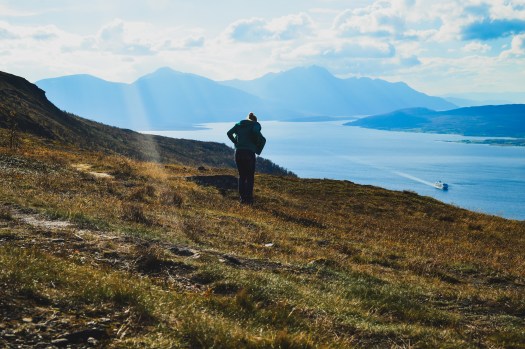
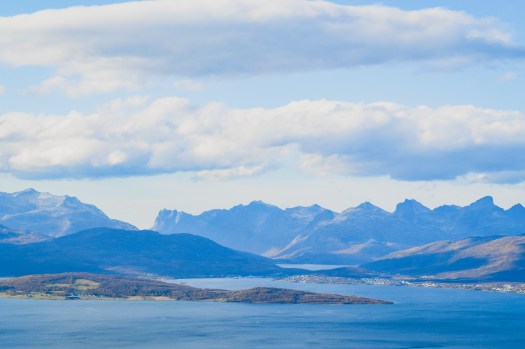
A few years later I was up there again, this time in early spring. Everything was covered in a coat of snow and it looked entirely different. Still spectacular, though.
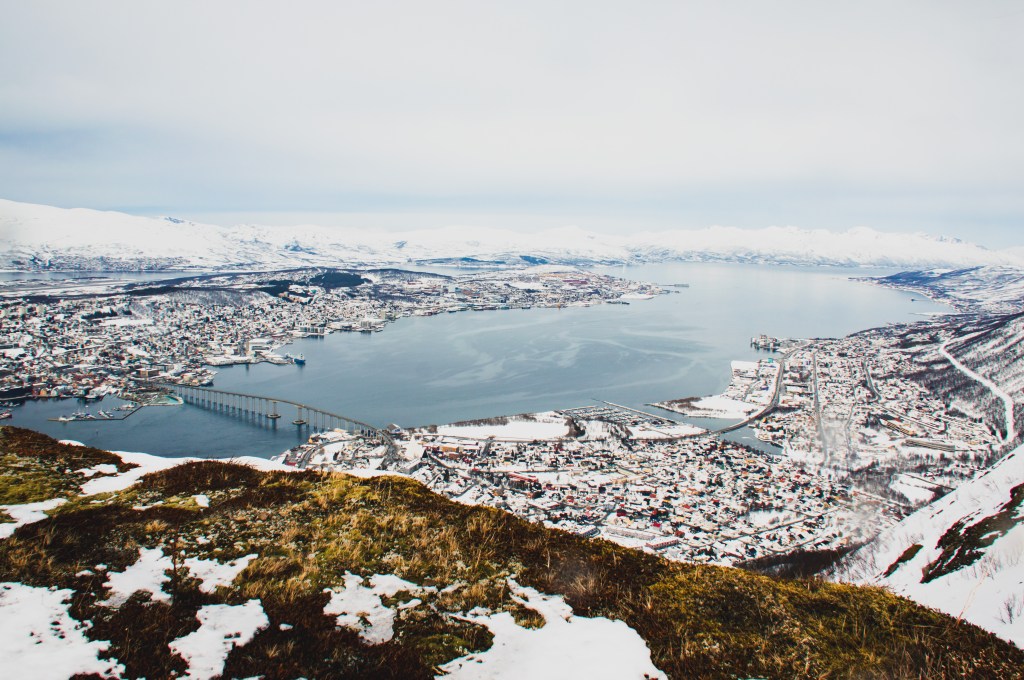
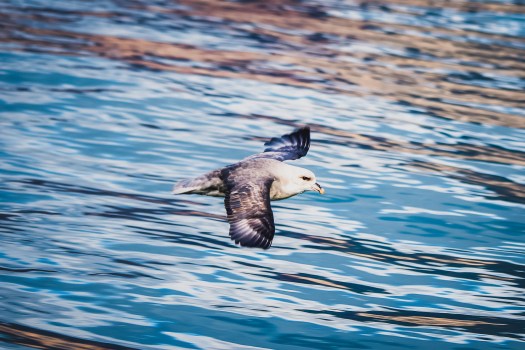
I had a bit of time to explore, so I took myself for a walk outside the city centre, every now and then stopping to photograph the views or birds flying by.
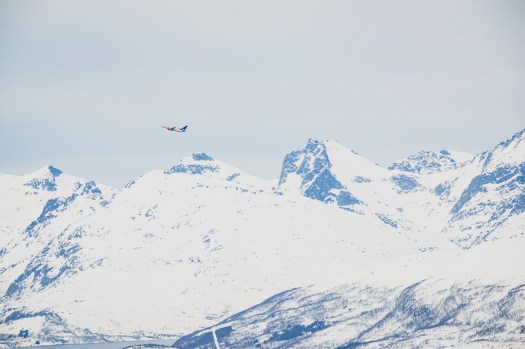
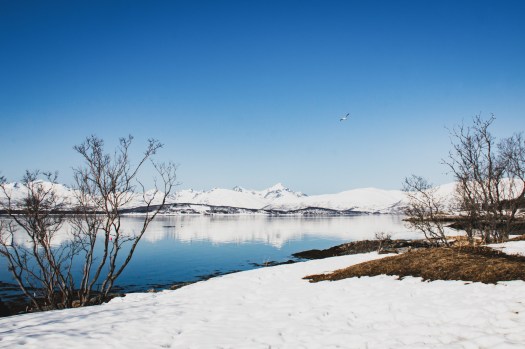
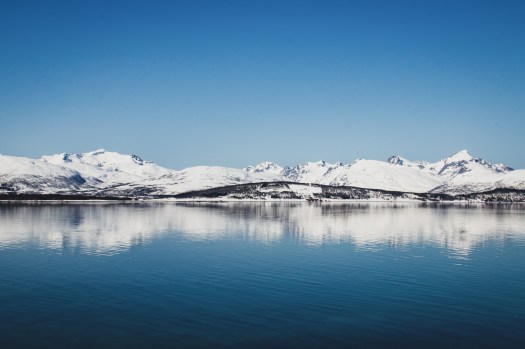
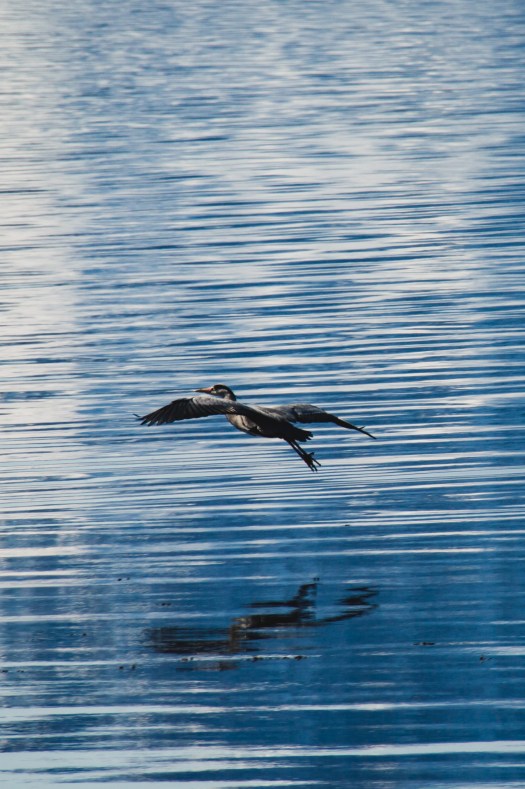
I remember I had been walking for a few hours and was starting to get a bit tired and hungry. At one point I decided to follow Google Maps for a slightly shorter route back to my accommodation. Little did I know that “shorter” also meant trudging through knee-high snow. It built gradually without me noticing. By the time I realised, I was already halfway through and turning back seemed unthinkable. So I kept going. After all, the map showed just about 200 metres more for the actual road. Easy-peasy. Right?
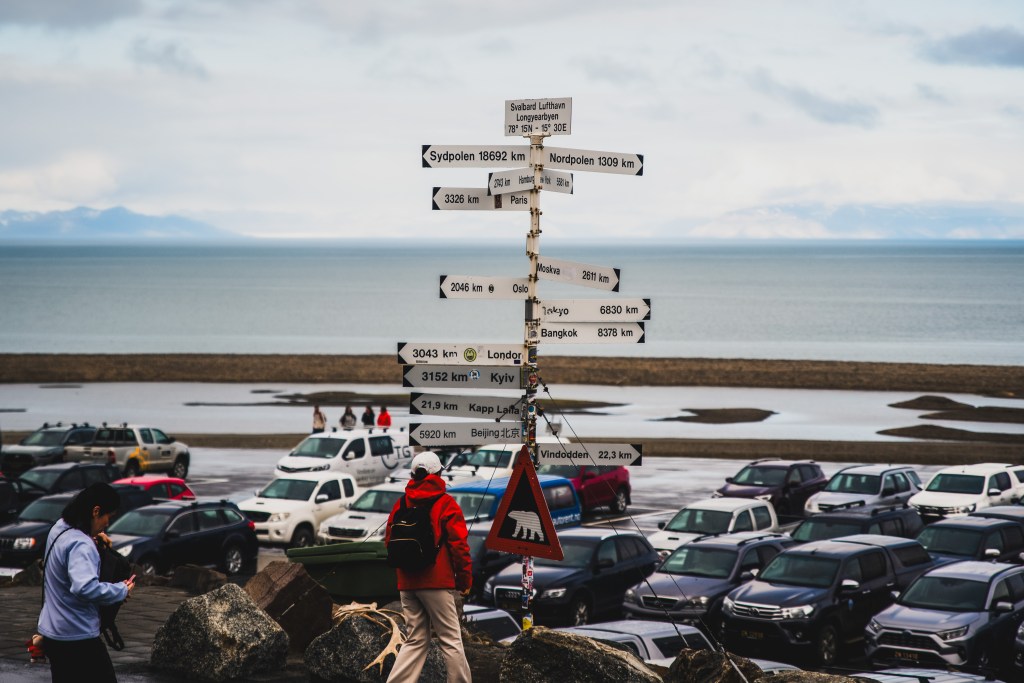
Last summer I found myself in Svalbard, which felt more like a different planet. I stayed in Longyearbyen, a small settlement that manages to feel both remote and oddly functional. You can travel there independently, but I joined a group this time. It felt easier to let someone else handle the logistics, because life there comes with conditions. For example, you can’t leave the settlement’s perimeter without carrying a rifle (or being with someone who is) – because polar bears are not theoretical.
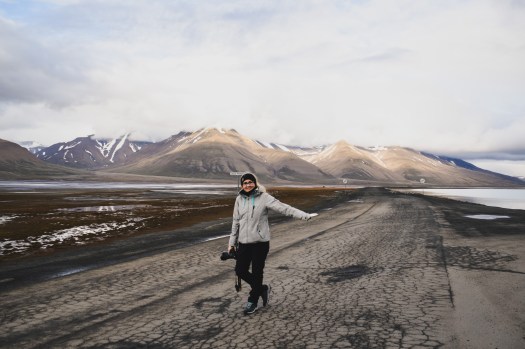
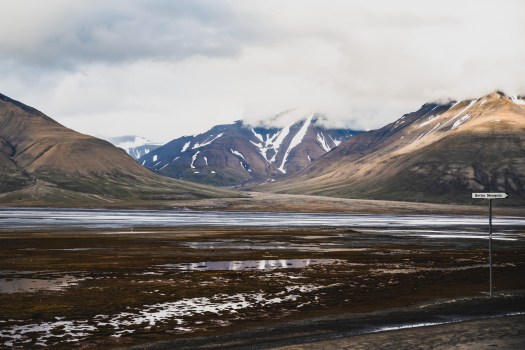
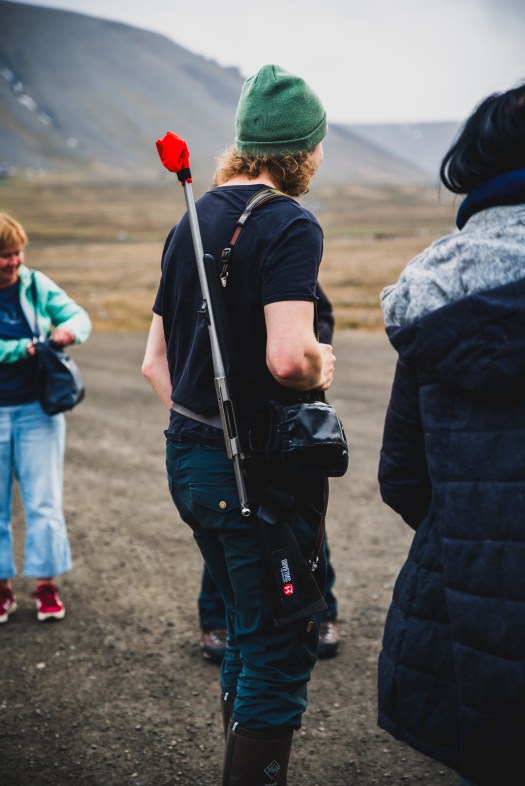
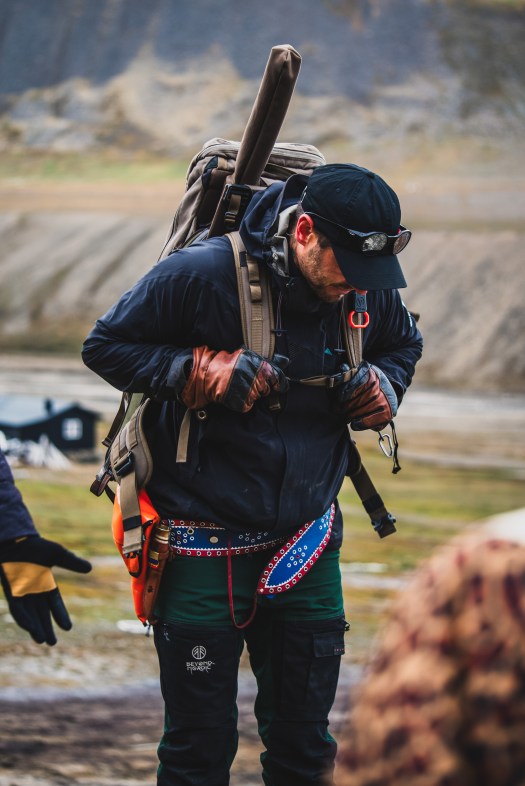
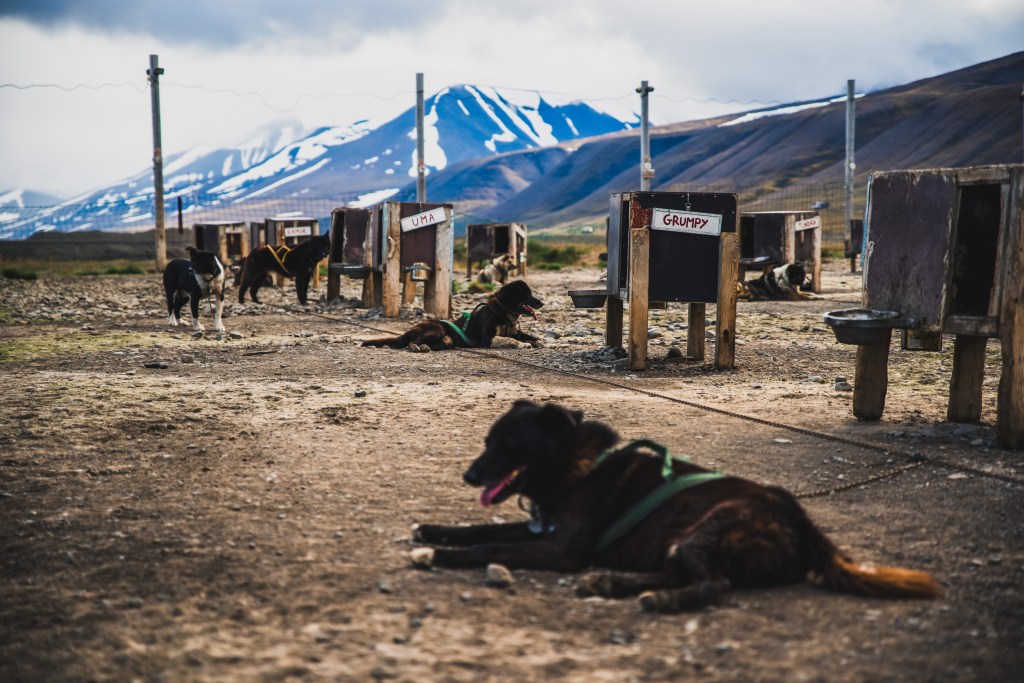
Less than 24 hours after arrival, we were heading to a dog farm for a dogsledding experience (yes, even without snow). I had imagined myself sitting comfortably in the cart (or however it is called), taking photographs, while someone competent did the steering. Instead, without much say in this myself, I was handed responsibility for eight extremely enthusiastic dogs and, by extension, the lives of myself and two others.
The dogs were astonishingly strong and they were thrilled to be running 12 kilometres at speed. Steering was surprisingly straightforward, but imagine holding down a bicycle’s brakes for nearly two hours straight, while eight powerful animals pull with pure joy. Holding the brakes required muscles I didn’t know I possessed. And I was not allowed to let go of the wheel at any point – not even during their frequent drinking stops. I had to keep at least one hand on the brake at all times, even if the handbreak was on. Halfway through, my hands were starting to give up and my gloves had become slightly slippery. During one turn, taken at rather more speed than I would have preferred, I could barely keep my grip on the wheel and brakes. Seeing my increasingly desperate grip, the guide calmly removed one dog from my team and added it to his – a quiet act of mercy.
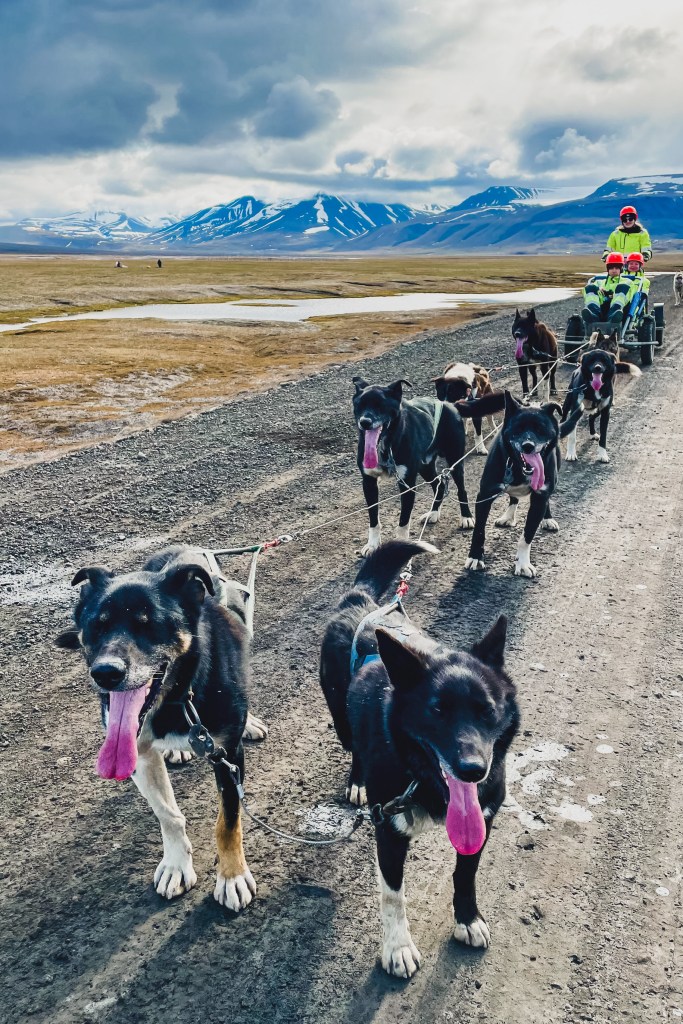
We returned intact and happy. I was actually quite pleased to have had the chance to steer them, even though I was unable to lift a beer glass properly for the next two days. The dogs, of course, were lovely – impatient to start, full of excitement as the carts and teams were assembled, then affectionate and entirely unapologetic afterwards. And yes, cuddles are part of the package. It’s the kind of experience that stays with you (with slightly sore hands and all).
The floating sauna and Arctic dip are also a must-do in Longyearbyen (in my humble opinion). Our view was partially blocked by a massive cruise ship, but it didn’t lessen the experience. As an Estonian, I’m no stranger to a sauna, but I don’t usually follow it by jumping into icy water. The sea temperature in July was around 5°C, pretty much the same as the air. We had a sunny evening, and after a hot sauna I voluntarily jumped (read: descended slowly) into the Arctic waters. Twice. And I would absolutely do it again.
When you take a dip from the floating sauna, you’re plunging into Adventfjorden, which opens into Isfjorden, which in turn connects to the Greenland Sea – a marginal sea of the Arctic Ocean. So technically, you’re swimming in the Arctic Ocean. Not something you casually forget while climbing back into the sauna.
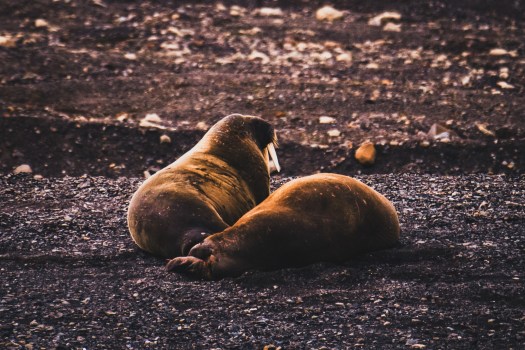
We also went to a walrus safari, where we saw different birds, glimpses of beluga whales (there were many), and of course some walruses lounging on the beach as if they owned the place (which they most certainly did).
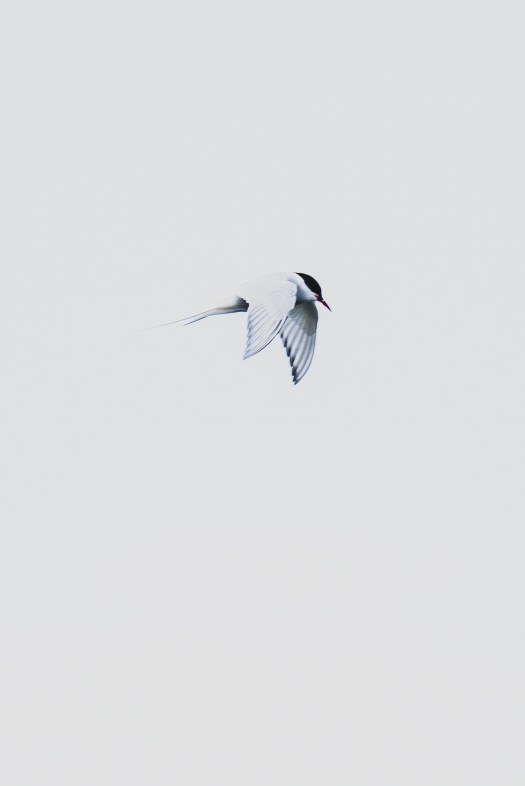
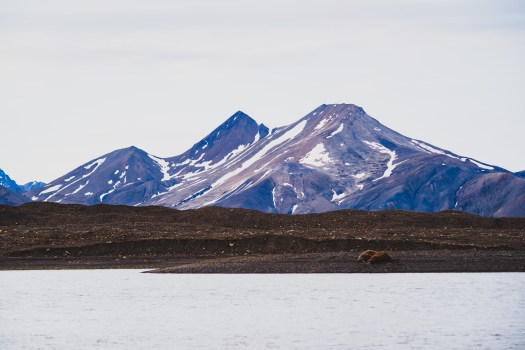
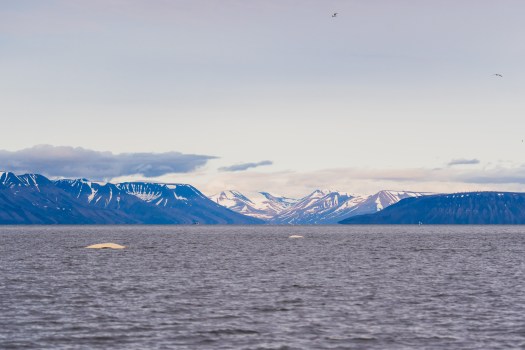
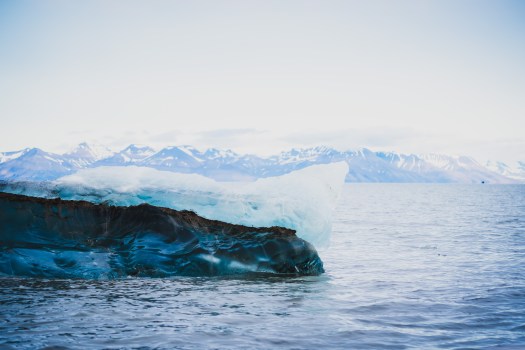
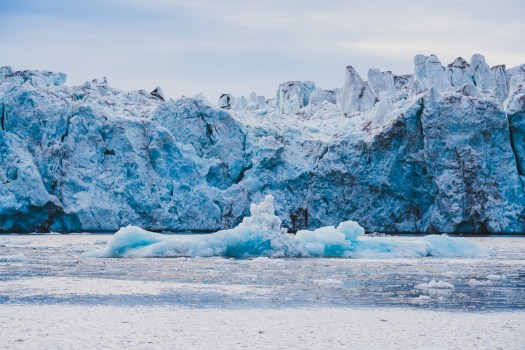
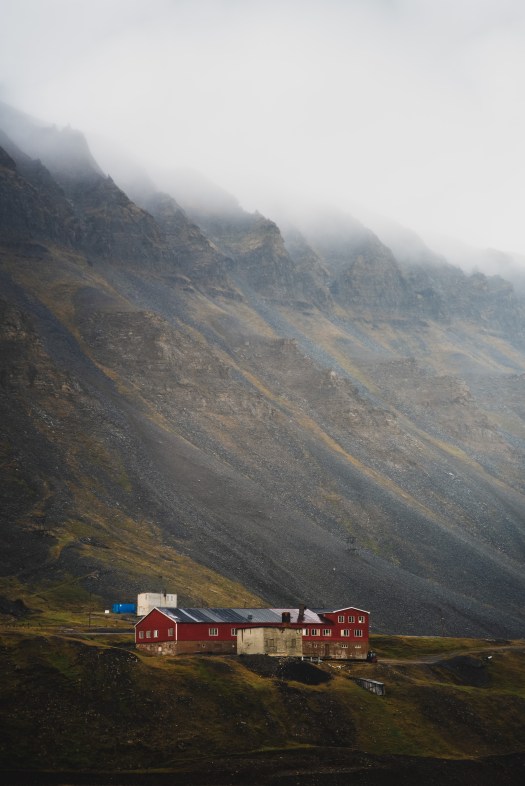
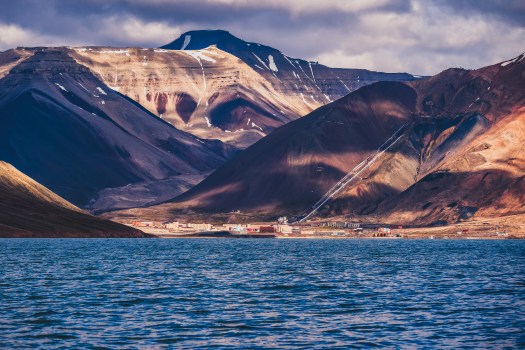
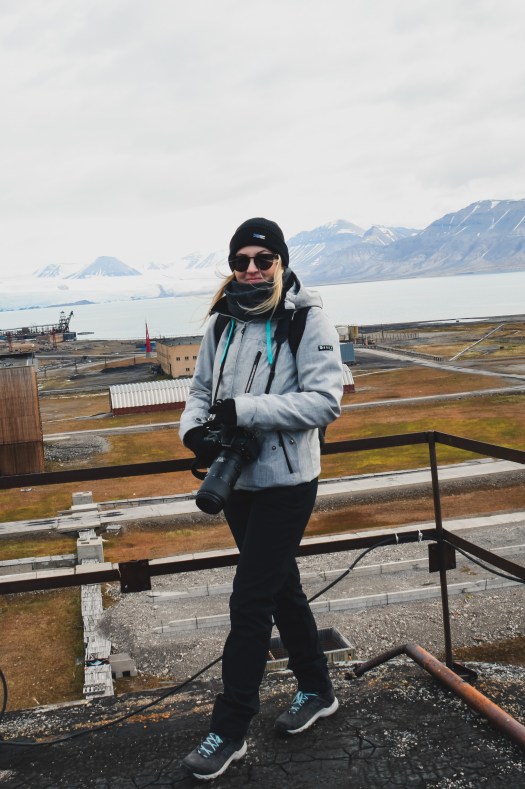
Then we visited the ghost town of Pyramiden. The boat ride there offered dramatic views of mountains, a glacier, and countless birds. The town itself was undeniably eerie – silent and suspended in time.
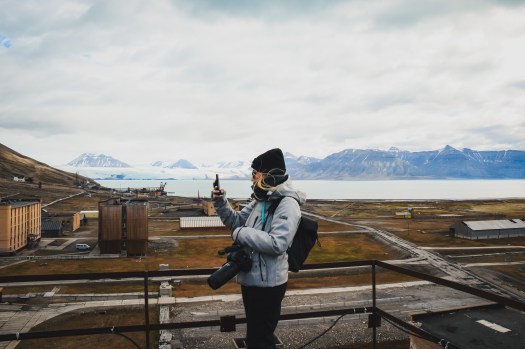
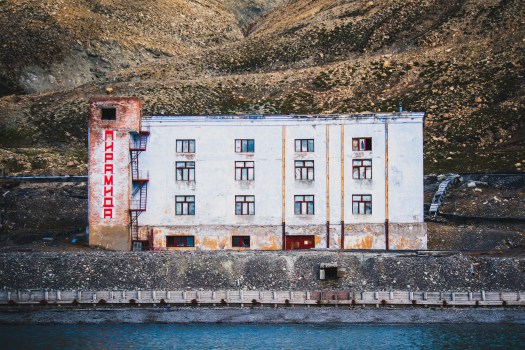
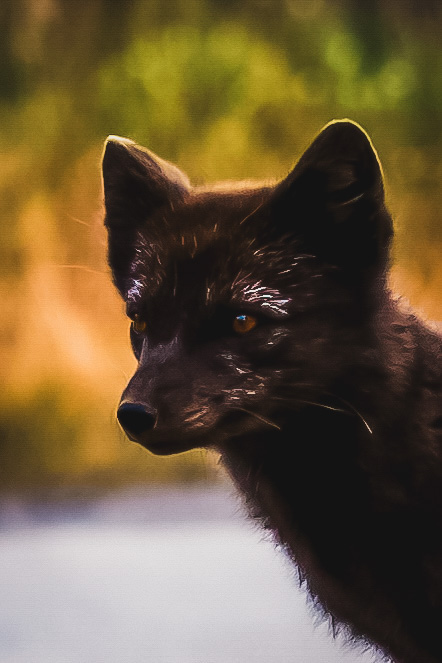
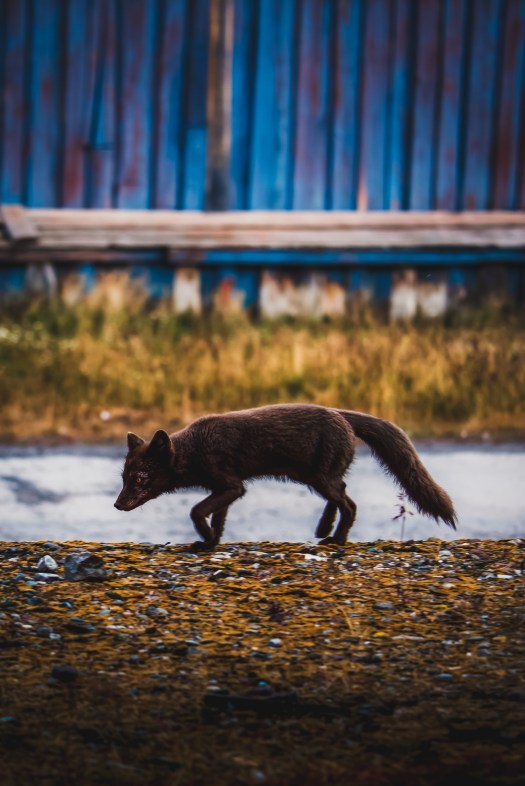
But just as we were waiting for our bus back to the boat, a rare blue morph Arctic fox appeared out of nowhere and casually trotted past us. He didn’t seem remotely concerned by our presence. That small moment really made my day.
Aside the beautiful nature, Svalbard also has its peculiarities. It’s customary to remove your shoes when entering many public buildings, including cafés and museums – a tradition from the mining days to avoid bringing coal dust indoors. Visitors must present a plane ticket to purchase alcohol from stores, while locals have strict monthly limits, also originating from the mining era. Cats (even indoor ones) are banned to protect the local bird population – so clearly I could never live there. Life without cats? Absolutely not.
You can’t give birth in Longyearbyen (except in extreme emergencies). Expectant mothers are sent to mainland Norway a month or two before their due date and return afterwards. And because of the permafrost, people cannot be buried there either. Even in death, Svalbard insists that you leave nothing behind.
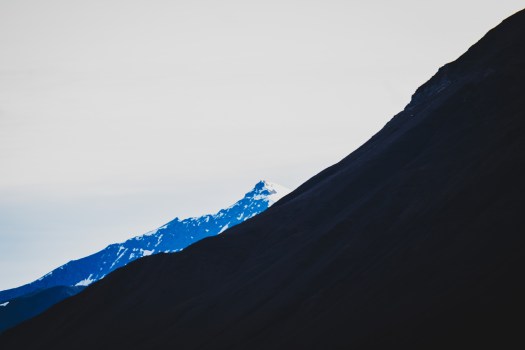
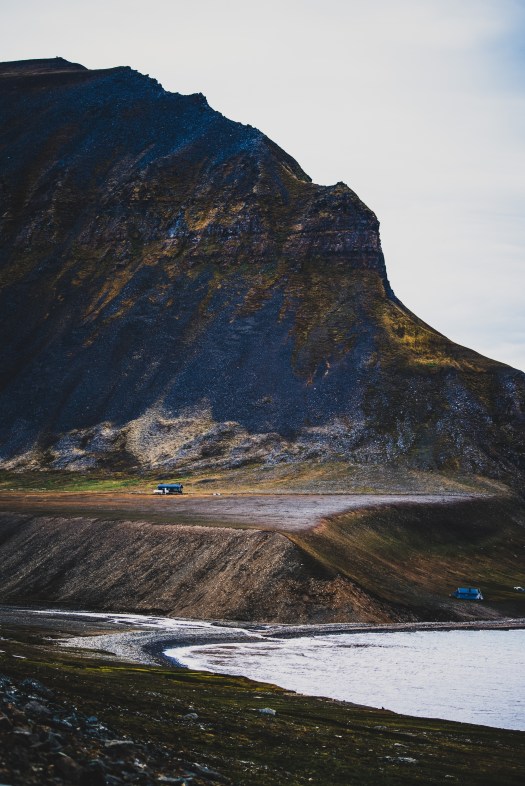
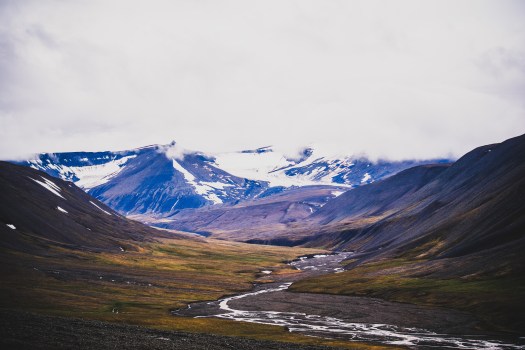
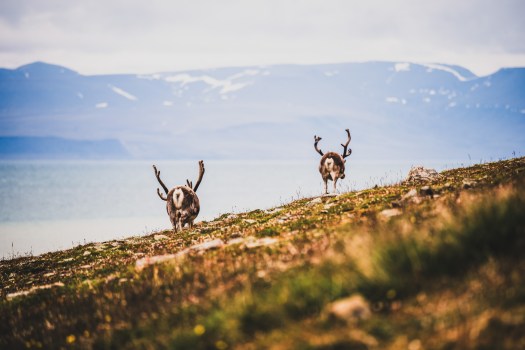
Svalbard was different – stark, spectacular, slightly surreal. Descending through clouds and landing between sharp mountain peaks. The vast, untouched landscapes. The occasional Arctic fox outside your hotel window just when you’ve left your camera in the room. The awareness that at any moment a polar bear might wander somewhere in the distance. Rifle lockers in restaurants and shops. And so on. It certainly isn’t a place for everyone, but I’ve always been drawn to places that sit slightly off the beaten path.
And then there was Oslo. So far, Oslo had simply been a layover city for me. For years, it was “Gate D10” – a place where I power-walked between flights and pretended airport sandwiches were a reasonable life choice. This time, I stayed. Even if it was only for a long weekend.
I came for a concert. Because sometimes the most rational way to choose a destination is to follow a Scottish rock band across borders. Biffy Clyro were playing, and that felt like reason enough (not that I’ve ever needed much persuasion to get on a plane).
The city itself is quietly confident – old brick and sharp glass standing side by side. It was off-season, which meant space, no rush and no queues.
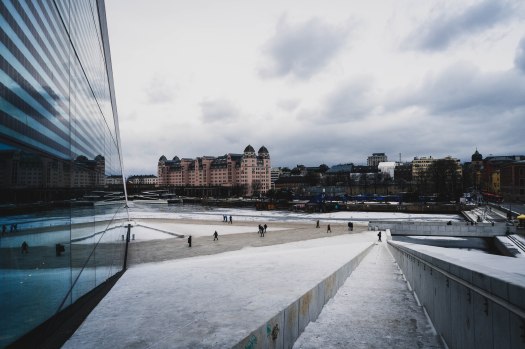
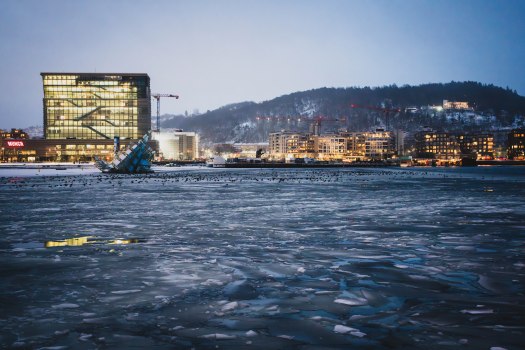
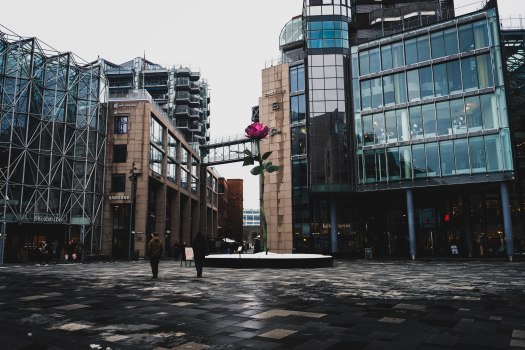
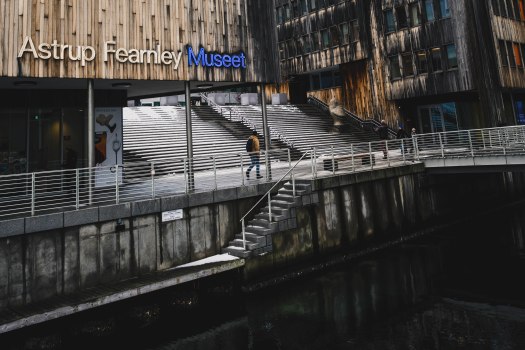
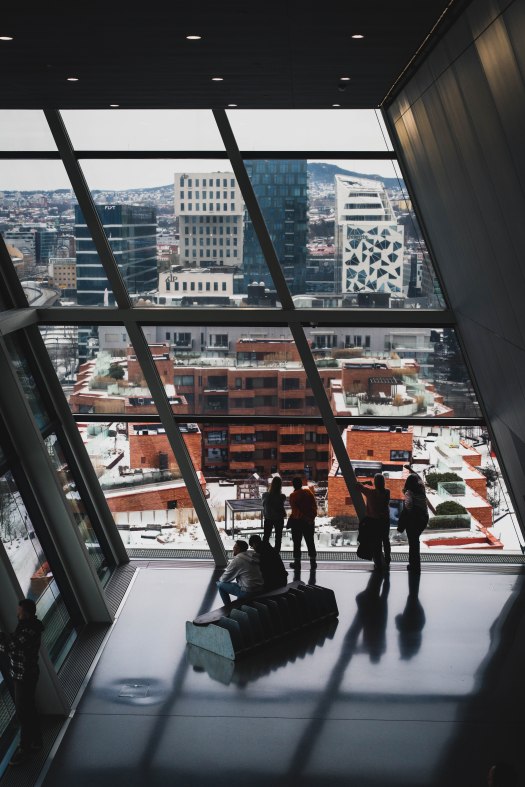
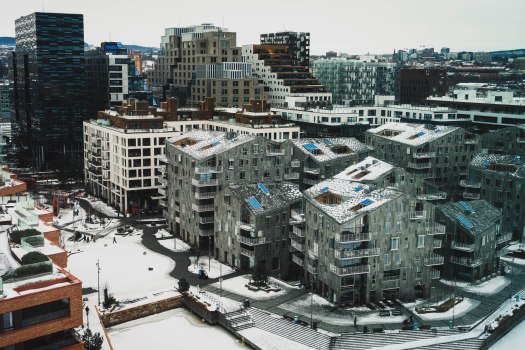
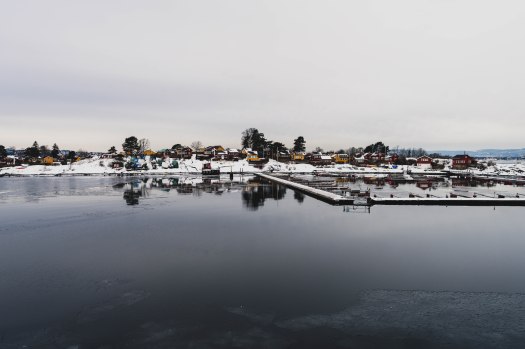
I didn’t plan much beyond the concert. I wanted to wander. I strolled around the Oslo Opera House (the roof access was closed off, much to my initial disappointment, though in hindsight wisely, as it would have been an efficient ice slide). I took in the views from the MUNCH museum, wandered through Aker Brygge, passed the giant rose sculpture, stopped by the Astrup Fearnley Museum and walked through the neat lines of the Barcode district. I also took a little fjord cruise to see the city from a different angle. There were perhaps only ten other people on board. The perks of travelling off-season.
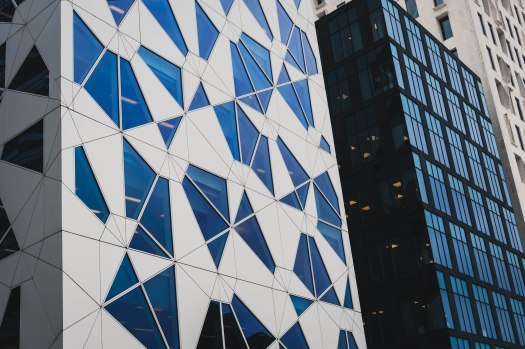
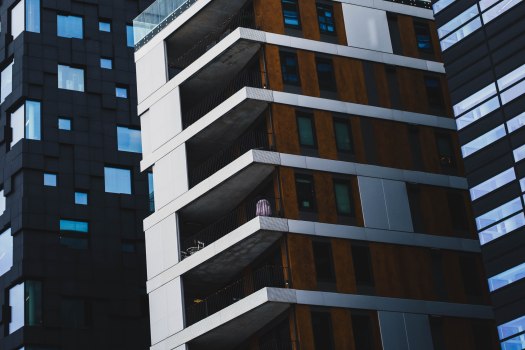
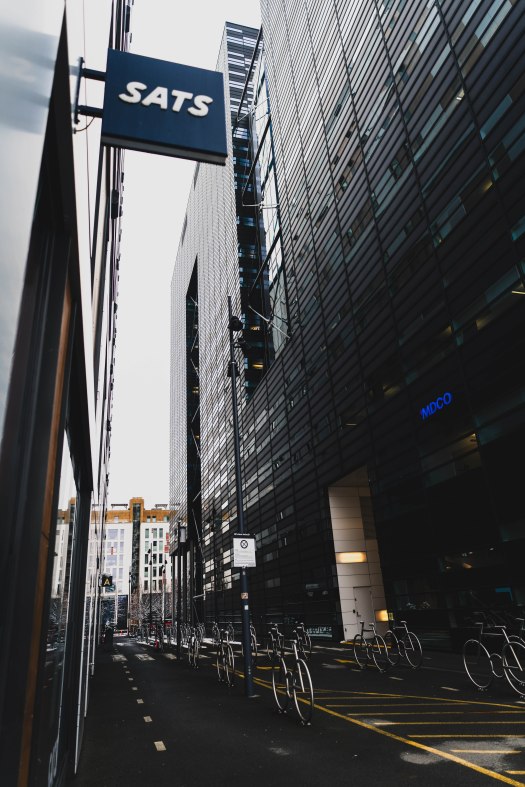
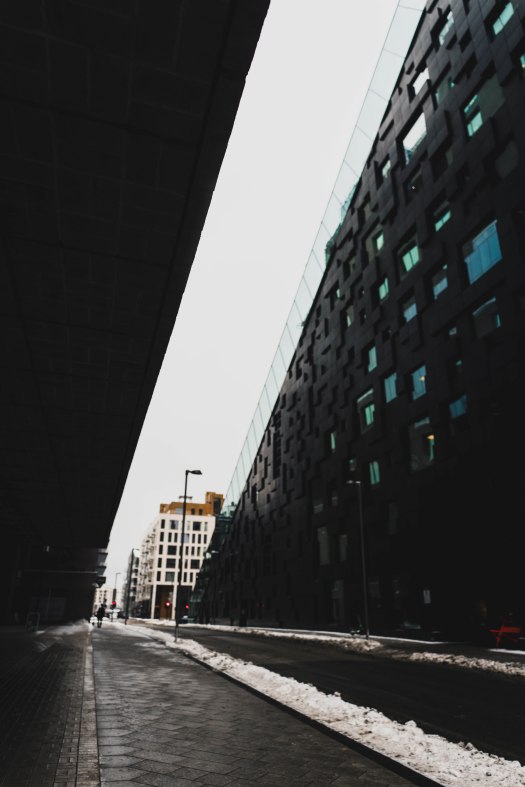
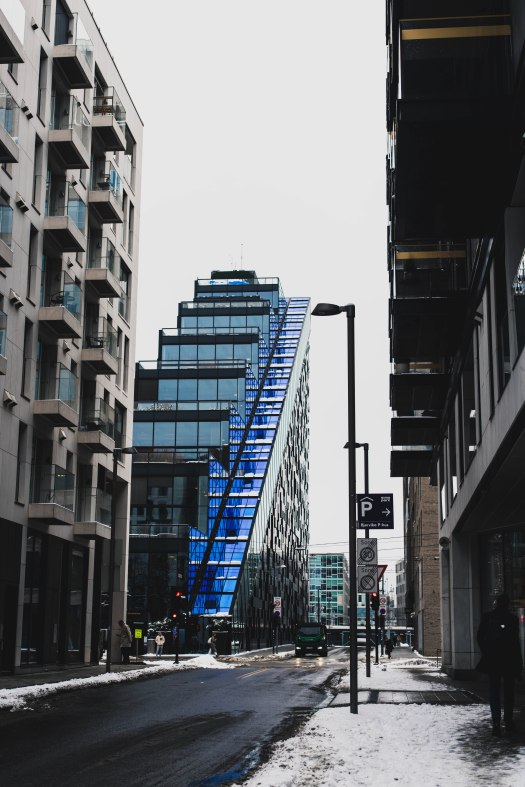
When I think of Norway, my mind still drifts north first, because I do love my mountains. But Oslo surprised me with its calmness.
One location in Norway, still firmly on my bucket list, is the Lofoten Islands. I suspect they appear on many photographers’ lists, with their dramatic peaks, shifting light, wildife and the kind of landscapes that make you reach for your camera before you’ve even fully arrived. So I’m fairly certain I’ll be back to Norway before long.
Sincerely,
A.
 AT VISUALS PHOTOGRAPHY
You must be logged in to post a comment.